
USDT Gift Card Review: Save, Give and Share Before You Set Up a Wallet
A closer look at buyusdtgiftcard.com: personalised USDT gifts, private delivery, one-time redemption, fees and who benefits most.
Read guide300 · TRON WIKI · 30 LANGUAGES
Search and filter 300 practical articles about TRON, Energy, Bandwidth, USDT, wallets and development.
A closer look at buyusdtgiftcard.com: personalised USDT gifts, private delivery, one-time redemption, fees and who benefits most.
Read guide
Energy measures the computing work used by smart contracts and TRC-20 token transfers on TRON. Start with definitions, required resources and a safe first transaction before using advanced settings.
Read guide
Energy measures the computing work used by smart contracts and TRC-20 token transfers on TRON. Follow the full path from wallet preparation and resource calculation to execution and the final receipt.
Read guide
Energy measures the computing work used by smart contracts and TRC-20 token transfers on TRON. Separate Bandwidth, Energy, activation and special fees, then compare them using current chain parameters.
Read guide
Energy measures the computing work used by smart contracts and TRC-20 token transfers on TRON. Check account activation, balances, available resources, permissions and the fee limit before proceeding.
Read guide
Energy measures the computing work used by smart contracts and TRC-20 token transfers on TRON. Use live chain parameters and an execution estimate instead of assuming a permanent fixed fee.
Read guide
Energy measures the computing work used by smart contracts and TRC-20 token transfers on TRON. Inspect the result code, receipt, resource balance and fee limit to isolate the cause of a failed transaction.
Read guide
Energy measures the computing work used by smart contracts and TRC-20 token transfers on TRON. Verify network, address, contract and signing details, and never expose a seed phrase or private key.
Read guide
Energy measures the computing work used by smart contracts and TRC-20 token transfers on TRON. Use monitoring, small test transfers, explicit limits and source-linked procedures for repeatable operations.
Read guide
Energy measures the computing work used by smart contracts and TRC-20 token transfers on TRON. Compare direct TRX burning, staking and delegated resources by price, duration, liquidity and operational effort.
Read guide
Energy measures the computing work used by smart contracts and TRC-20 token transfers on TRON. Track resource balances, transaction receipts and changing chain parameters before they affect production transfers.
Read guide
Energy measures the computing work used by smart contracts and TRC-20 token transfers on TRON. Configure the wallet, network, address and resource checks in a clear sequence before the first transaction.
Read guide
Energy measures the computing work used by smart contracts and TRC-20 token transfers on TRON. Resolve the most common questions about costs, timing, delegation, safety and transaction confirmation.
Read guide
Energy measures the computing work used by smart contracts and TRC-20 token transfers on TRON. Avoid wrong networks, unchecked addresses, stale fee assumptions, low fee limits and missing receipt checks.
Read guide
Energy measures the computing work used by smart contracts and TRC-20 token transfers on TRON. Use a repeatable pre-signing and post-transaction checklist so important resource checks are not skipped.
Read guide
Energy measures the computing work used by smart contracts and TRC-20 token transfers on TRON. Reduce avoidable cost and failures by forecasting demand, choosing the right resource source and measuring receipts.
Read guide
Bandwidth measures the serialized size of every TRON transaction and can be supplied by a daily allowance or staking. Start with definitions, required resources and a safe first transaction before using advanced settings.
Read guide
Bandwidth measures the serialized size of every TRON transaction and can be supplied by a daily allowance or staking. Follow the full path from wallet preparation and resource calculation to execution and the final receipt.
Read guide
Bandwidth measures the serialized size of every TRON transaction and can be supplied by a daily allowance or staking. Separate Bandwidth, Energy, activation and special fees, then compare them using current chain parameters.
Read guide
Bandwidth measures the serialized size of every TRON transaction and can be supplied by a daily allowance or staking. Check account activation, balances, available resources, permissions and the fee limit before proceeding.
Read guide
Bandwidth measures the serialized size of every TRON transaction and can be supplied by a daily allowance or staking. Use live chain parameters and an execution estimate instead of assuming a permanent fixed fee.
Read guide
Bandwidth measures the serialized size of every TRON transaction and can be supplied by a daily allowance or staking. Inspect the result code, receipt, resource balance and fee limit to isolate the cause of a failed transaction.
Read guide
Bandwidth measures the serialized size of every TRON transaction and can be supplied by a daily allowance or staking. Verify network, address, contract and signing details, and never expose a seed phrase or private key.
Read guide
Bandwidth measures the serialized size of every TRON transaction and can be supplied by a daily allowance or staking. Use monitoring, small test transfers, explicit limits and source-linked procedures for repeatable operations.
Read guide
Bandwidth measures the serialized size of every TRON transaction and can be supplied by a daily allowance or staking. Compare direct TRX burning, staking and delegated resources by price, duration, liquidity and operational effort.
Read guide
Bandwidth measures the serialized size of every TRON transaction and can be supplied by a daily allowance or staking. Track resource balances, transaction receipts and changing chain parameters before they affect production transfers.
Read guide
Bandwidth measures the serialized size of every TRON transaction and can be supplied by a daily allowance or staking. Configure the wallet, network, address and resource checks in a clear sequence before the first transaction.
Read guide
Bandwidth measures the serialized size of every TRON transaction and can be supplied by a daily allowance or staking. Resolve the most common questions about costs, timing, delegation, safety and transaction confirmation.
Read guide
Bandwidth measures the serialized size of every TRON transaction and can be supplied by a daily allowance or staking. Avoid wrong networks, unchecked addresses, stale fee assumptions, low fee limits and missing receipt checks.
Read guide
Bandwidth measures the serialized size of every TRON transaction and can be supplied by a daily allowance or staking. Use a repeatable pre-signing and post-transaction checklist so important resource checks are not skipped.
Read guide
Bandwidth measures the serialized size of every TRON transaction and can be supplied by a daily allowance or staking. Reduce avoidable cost and failures by forecasting demand, choosing the right resource source and measuring receipts.
Read guide
USDT on TRON is a smart-contract token, so a transfer consumes Bandwidth and usually Energy. Start with definitions, required resources and a safe first transaction before using advanced settings.
Read guide
USDT on TRON is a smart-contract token, so a transfer consumes Bandwidth and usually Energy. Follow the full path from wallet preparation and resource calculation to execution and the final receipt.
Read guide
USDT on TRON is a smart-contract token, so a transfer consumes Bandwidth and usually Energy. Separate Bandwidth, Energy, activation and special fees, then compare them using current chain parameters.
Read guide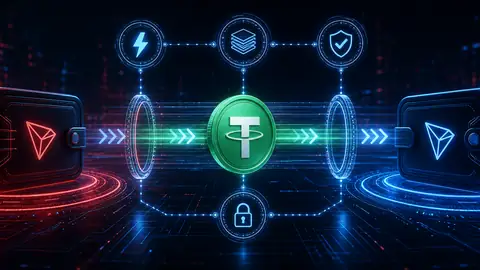
USDT on TRON is a smart-contract token, so a transfer consumes Bandwidth and usually Energy. Check account activation, balances, available resources, permissions and the fee limit before proceeding.
Read guide
USDT on TRON is a smart-contract token, so a transfer consumes Bandwidth and usually Energy. Use live chain parameters and an execution estimate instead of assuming a permanent fixed fee.
Read guide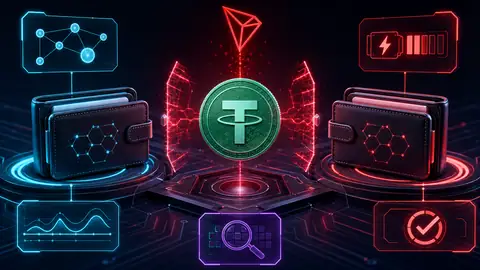
USDT on TRON is a smart-contract token, so a transfer consumes Bandwidth and usually Energy. Inspect the result code, receipt, resource balance and fee limit to isolate the cause of a failed transaction.
Read guide
USDT on TRON is a smart-contract token, so a transfer consumes Bandwidth and usually Energy. Verify network, address, contract and signing details, and never expose a seed phrase or private key.
Read guide
USDT on TRON is a smart-contract token, so a transfer consumes Bandwidth and usually Energy. Use monitoring, small test transfers, explicit limits and source-linked procedures for repeatable operations.
Read guide
USDT on TRON is a smart-contract token, so a transfer consumes Bandwidth and usually Energy. Compare direct TRX burning, staking and delegated resources by price, duration, liquidity and operational effort.
Read guide
USDT on TRON is a smart-contract token, so a transfer consumes Bandwidth and usually Energy. Track resource balances, transaction receipts and changing chain parameters before they affect production transfers.
Read guide
USDT on TRON is a smart-contract token, so a transfer consumes Bandwidth and usually Energy. Configure the wallet, network, address and resource checks in a clear sequence before the first transaction.
Read guide
USDT on TRON is a smart-contract token, so a transfer consumes Bandwidth and usually Energy. Resolve the most common questions about costs, timing, delegation, safety and transaction confirmation.
Read guide
USDT on TRON is a smart-contract token, so a transfer consumes Bandwidth and usually Energy. Avoid wrong networks, unchecked addresses, stale fee assumptions, low fee limits and missing receipt checks.
Read guide
USDT on TRON is a smart-contract token, so a transfer consumes Bandwidth and usually Energy. Use a repeatable pre-signing and post-transaction checklist so important resource checks are not skipped.
Read guide
USDT on TRON is a smart-contract token, so a transfer consumes Bandwidth and usually Energy. Reduce avoidable cost and failures by forecasting demand, choosing the right resource source and measuring receipts.
Read guide
When account resources are insufficient, TRX can be burned according to the current Bandwidth and Energy prices. Start with definitions, required resources and a safe first transaction before using advanced settings.
Read guide
When account resources are insufficient, TRX can be burned according to the current Bandwidth and Energy prices. Follow the full path from wallet preparation and resource calculation to execution and the final receipt.
Read guide
When account resources are insufficient, TRX can be burned according to the current Bandwidth and Energy prices. Separate Bandwidth, Energy, activation and special fees, then compare them using current chain parameters.
Read guide
When account resources are insufficient, TRX can be burned according to the current Bandwidth and Energy prices. Check account activation, balances, available resources, permissions and the fee limit before proceeding.
Read guide
When account resources are insufficient, TRX can be burned according to the current Bandwidth and Energy prices. Use live chain parameters and an execution estimate instead of assuming a permanent fixed fee.
Read guide
When account resources are insufficient, TRX can be burned according to the current Bandwidth and Energy prices. Inspect the result code, receipt, resource balance and fee limit to isolate the cause of a failed transaction.
Read guide
When account resources are insufficient, TRX can be burned according to the current Bandwidth and Energy prices. Verify network, address, contract and signing details, and never expose a seed phrase or private key.
Read guide
When account resources are insufficient, TRX can be burned according to the current Bandwidth and Energy prices. Use monitoring, small test transfers, explicit limits and source-linked procedures for repeatable operations.
Read guide
When account resources are insufficient, TRX can be burned according to the current Bandwidth and Energy prices. Compare direct TRX burning, staking and delegated resources by price, duration, liquidity and operational effort.
Read guide
When account resources are insufficient, TRX can be burned according to the current Bandwidth and Energy prices. Track resource balances, transaction receipts and changing chain parameters before they affect production transfers.
Read guide
When account resources are insufficient, TRX can be burned according to the current Bandwidth and Energy prices. Configure the wallet, network, address and resource checks in a clear sequence before the first transaction.
Read guide
When account resources are insufficient, TRX can be burned according to the current Bandwidth and Energy prices. Resolve the most common questions about costs, timing, delegation, safety and transaction confirmation.
Read guide
When account resources are insufficient, TRX can be burned according to the current Bandwidth and Energy prices. Avoid wrong networks, unchecked addresses, stale fee assumptions, low fee limits and missing receipt checks.
Read guide
When account resources are insufficient, TRX can be burned according to the current Bandwidth and Energy prices. Use a repeatable pre-signing and post-transaction checklist so important resource checks are not skipped.
Read guide
When account resources are insufficient, TRX can be burned according to the current Bandwidth and Energy prices. Reduce avoidable cost and failures by forecasting demand, choosing the right resource source and measuring receipts.
Read guide
TronLink displays balances, resources, fee limits and receipts for transactions signed by the user. Start with definitions, required resources and a safe first transaction before using advanced settings.
Read guide
TronLink displays balances, resources, fee limits and receipts for transactions signed by the user. Follow the full path from wallet preparation and resource calculation to execution and the final receipt.
Read guide
TronLink displays balances, resources, fee limits and receipts for transactions signed by the user. Separate Bandwidth, Energy, activation and special fees, then compare them using current chain parameters.
Read guide
TronLink displays balances, resources, fee limits and receipts for transactions signed by the user. Check account activation, balances, available resources, permissions and the fee limit before proceeding.
Read guide
TronLink displays balances, resources, fee limits and receipts for transactions signed by the user. Use live chain parameters and an execution estimate instead of assuming a permanent fixed fee.
Read guide
TronLink displays balances, resources, fee limits and receipts for transactions signed by the user. Inspect the result code, receipt, resource balance and fee limit to isolate the cause of a failed transaction.
Read guide
TronLink displays balances, resources, fee limits and receipts for transactions signed by the user. Verify network, address, contract and signing details, and never expose a seed phrase or private key.
Read guide
TronLink displays balances, resources, fee limits and receipts for transactions signed by the user. Use monitoring, small test transfers, explicit limits and source-linked procedures for repeatable operations.
Read guide
TronLink displays balances, resources, fee limits and receipts for transactions signed by the user. Compare direct TRX burning, staking and delegated resources by price, duration, liquidity and operational effort.
Read guide
TronLink displays balances, resources, fee limits and receipts for transactions signed by the user. Track resource balances, transaction receipts and changing chain parameters before they affect production transfers.
Read guide
TronLink displays balances, resources, fee limits and receipts for transactions signed by the user. Configure the wallet, network, address and resource checks in a clear sequence before the first transaction.
Read guide
TronLink displays balances, resources, fee limits and receipts for transactions signed by the user. Resolve the most common questions about costs, timing, delegation, safety and transaction confirmation.
Read guide
TronLink displays balances, resources, fee limits and receipts for transactions signed by the user. Avoid wrong networks, unchecked addresses, stale fee assumptions, low fee limits and missing receipt checks.
Read guide
TronLink displays balances, resources, fee limits and receipts for transactions signed by the user. Use a repeatable pre-signing and post-transaction checklist so important resource checks are not skipped.
Read guide
TronLink displays balances, resources, fee limits and receipts for transactions signed by the user. Reduce avoidable cost and failures by forecasting demand, choosing the right resource source and measuring receipts.
Read guide
Trust Wallet users must select the TRON network and keep enough resources or TRX for TRC-20 contract calls. Start with definitions, required resources and a safe first transaction before using advanced settings.
Read guide
Trust Wallet users must select the TRON network and keep enough resources or TRX for TRC-20 contract calls. Follow the full path from wallet preparation and resource calculation to execution and the final receipt.
Read guide
Trust Wallet users must select the TRON network and keep enough resources or TRX for TRC-20 contract calls. Separate Bandwidth, Energy, activation and special fees, then compare them using current chain parameters.
Read guide
Trust Wallet users must select the TRON network and keep enough resources or TRX for TRC-20 contract calls. Check account activation, balances, available resources, permissions and the fee limit before proceeding.
Read guide
Trust Wallet users must select the TRON network and keep enough resources or TRX for TRC-20 contract calls. Use live chain parameters and an execution estimate instead of assuming a permanent fixed fee.
Read guide
Trust Wallet users must select the TRON network and keep enough resources or TRX for TRC-20 contract calls. Inspect the result code, receipt, resource balance and fee limit to isolate the cause of a failed transaction.
Read guide
Trust Wallet users must select the TRON network and keep enough resources or TRX for TRC-20 contract calls. Verify network, address, contract and signing details, and never expose a seed phrase or private key.
Read guide
Trust Wallet users must select the TRON network and keep enough resources or TRX for TRC-20 contract calls. Use monitoring, small test transfers, explicit limits and source-linked procedures for repeatable operations.
Read guide
Trust Wallet users must select the TRON network and keep enough resources or TRX for TRC-20 contract calls. Compare direct TRX burning, staking and delegated resources by price, duration, liquidity and operational effort.
Read guide
Trust Wallet users must select the TRON network and keep enough resources or TRX for TRC-20 contract calls. Track resource balances, transaction receipts and changing chain parameters before they affect production transfers.
Read guide
Trust Wallet users must select the TRON network and keep enough resources or TRX for TRC-20 contract calls. Configure the wallet, network, address and resource checks in a clear sequence before the first transaction.
Read guide
Trust Wallet users must select the TRON network and keep enough resources or TRX for TRC-20 contract calls. Resolve the most common questions about costs, timing, delegation, safety and transaction confirmation.
Read guide
Trust Wallet users must select the TRON network and keep enough resources or TRX for TRC-20 contract calls. Avoid wrong networks, unchecked addresses, stale fee assumptions, low fee limits and missing receipt checks.
Read guide
Trust Wallet users must select the TRON network and keep enough resources or TRX for TRC-20 contract calls. Use a repeatable pre-signing and post-transaction checklist so important resource checks are not skipped.
Read guide
Trust Wallet users must select the TRON network and keep enough resources or TRX for TRC-20 contract calls. Reduce avoidable cost and failures by forecasting demand, choosing the right resource source and measuring receipts.
Read guide
A Ledger device protects signing keys while TronLink or another interface prepares and broadcasts the TRON transaction. Start with definitions, required resources and a safe first transaction before using advanced settings.
Read guide
A Ledger device protects signing keys while TronLink or another interface prepares and broadcasts the TRON transaction. Follow the full path from wallet preparation and resource calculation to execution and the final receipt.
Read guide
A Ledger device protects signing keys while TronLink or another interface prepares and broadcasts the TRON transaction. Separate Bandwidth, Energy, activation and special fees, then compare them using current chain parameters.
Read guide
A Ledger device protects signing keys while TronLink or another interface prepares and broadcasts the TRON transaction. Check account activation, balances, available resources, permissions and the fee limit before proceeding.
Read guide
A Ledger device protects signing keys while TronLink or another interface prepares and broadcasts the TRON transaction. Use live chain parameters and an execution estimate instead of assuming a permanent fixed fee.
Read guide
A Ledger device protects signing keys while TronLink or another interface prepares and broadcasts the TRON transaction. Inspect the result code, receipt, resource balance and fee limit to isolate the cause of a failed transaction.
Read guide
A Ledger device protects signing keys while TronLink or another interface prepares and broadcasts the TRON transaction. Verify network, address, contract and signing details, and never expose a seed phrase or private key.
Read guide
A Ledger device protects signing keys while TronLink or another interface prepares and broadcasts the TRON transaction. Use monitoring, small test transfers, explicit limits and source-linked procedures for repeatable operations.
Read guide
A Ledger device protects signing keys while TronLink or another interface prepares and broadcasts the TRON transaction. Compare direct TRX burning, staking and delegated resources by price, duration, liquidity and operational effort.
Read guide
A Ledger device protects signing keys while TronLink or another interface prepares and broadcasts the TRON transaction. Track resource balances, transaction receipts and changing chain parameters before they affect production transfers.
Read guide
A Ledger device protects signing keys while TronLink or another interface prepares and broadcasts the TRON transaction. Configure the wallet, network, address and resource checks in a clear sequence before the first transaction.
Read guide
A Ledger device protects signing keys while TronLink or another interface prepares and broadcasts the TRON transaction. Resolve the most common questions about costs, timing, delegation, safety and transaction confirmation.
Read guide
A Ledger device protects signing keys while TronLink or another interface prepares and broadcasts the TRON transaction. Avoid wrong networks, unchecked addresses, stale fee assumptions, low fee limits and missing receipt checks.
Read guide
A Ledger device protects signing keys while TronLink or another interface prepares and broadcasts the TRON transaction. Use a repeatable pre-signing and post-transaction checklist so important resource checks are not skipped.
Read guide
A Ledger device protects signing keys while TronLink or another interface prepares and broadcasts the TRON transaction. Reduce avoidable cost and failures by forecasting demand, choosing the right resource source and measuring receipts.
Read guide
Tronscan exposes account resources, contracts, token balances, transaction receipts and governance data. Start with definitions, required resources and a safe first transaction before using advanced settings.
Read guide
Tronscan exposes account resources, contracts, token balances, transaction receipts and governance data. Follow the full path from wallet preparation and resource calculation to execution and the final receipt.
Read guide
Tronscan exposes account resources, contracts, token balances, transaction receipts and governance data. Separate Bandwidth, Energy, activation and special fees, then compare them using current chain parameters.
Read guide
Tronscan exposes account resources, contracts, token balances, transaction receipts and governance data. Check account activation, balances, available resources, permissions and the fee limit before proceeding.
Read guide
Tronscan exposes account resources, contracts, token balances, transaction receipts and governance data. Use live chain parameters and an execution estimate instead of assuming a permanent fixed fee.
Read guide
Tronscan exposes account resources, contracts, token balances, transaction receipts and governance data. Inspect the result code, receipt, resource balance and fee limit to isolate the cause of a failed transaction.
Read guide
Tronscan exposes account resources, contracts, token balances, transaction receipts and governance data. Verify network, address, contract and signing details, and never expose a seed phrase or private key.
Read guide
Tronscan exposes account resources, contracts, token balances, transaction receipts and governance data. Use monitoring, small test transfers, explicit limits and source-linked procedures for repeatable operations.
Read guide
Tronscan exposes account resources, contracts, token balances, transaction receipts and governance data. Compare direct TRX burning, staking and delegated resources by price, duration, liquidity and operational effort.
Read guide
Tronscan exposes account resources, contracts, token balances, transaction receipts and governance data. Track resource balances, transaction receipts and changing chain parameters before they affect production transfers.
Read guide
Tronscan exposes account resources, contracts, token balances, transaction receipts and governance data. Configure the wallet, network, address and resource checks in a clear sequence before the first transaction.
Read guide
Tronscan exposes account resources, contracts, token balances, transaction receipts and governance data. Resolve the most common questions about costs, timing, delegation, safety and transaction confirmation.
Read guide
Tronscan exposes account resources, contracts, token balances, transaction receipts and governance data. Avoid wrong networks, unchecked addresses, stale fee assumptions, low fee limits and missing receipt checks.
Read guide
Tronscan exposes account resources, contracts, token balances, transaction receipts and governance data. Use a repeatable pre-signing and post-transaction checklist so important resource checks are not skipped.
Read guide
Tronscan exposes account resources, contracts, token balances, transaction receipts and governance data. Reduce avoidable cost and failures by forecasting demand, choosing the right resource source and measuring receipts.
Read guide
Smart-contract execution runs in the TRON Virtual Machine and consumes Energy according to the executed instructions. Start with definitions, required resources and a safe first transaction before using advanced settings.
Read guide
Smart-contract execution runs in the TRON Virtual Machine and consumes Energy according to the executed instructions. Follow the full path from wallet preparation and resource calculation to execution and the final receipt.
Read guide
Smart-contract execution runs in the TRON Virtual Machine and consumes Energy according to the executed instructions. Separate Bandwidth, Energy, activation and special fees, then compare them using current chain parameters.
Read guide
Smart-contract execution runs in the TRON Virtual Machine and consumes Energy according to the executed instructions. Check account activation, balances, available resources, permissions and the fee limit before proceeding.
Read guide
Smart-contract execution runs in the TRON Virtual Machine and consumes Energy according to the executed instructions. Use live chain parameters and an execution estimate instead of assuming a permanent fixed fee.
Read guide
Smart-contract execution runs in the TRON Virtual Machine and consumes Energy according to the executed instructions. Inspect the result code, receipt, resource balance and fee limit to isolate the cause of a failed transaction.
Read guide
Smart-contract execution runs in the TRON Virtual Machine and consumes Energy according to the executed instructions. Verify network, address, contract and signing details, and never expose a seed phrase or private key.
Read guide
Smart-contract execution runs in the TRON Virtual Machine and consumes Energy according to the executed instructions. Use monitoring, small test transfers, explicit limits and source-linked procedures for repeatable operations.
Read guide
Smart-contract execution runs in the TRON Virtual Machine and consumes Energy according to the executed instructions. Compare direct TRX burning, staking and delegated resources by price, duration, liquidity and operational effort.
Read guide
Smart-contract execution runs in the TRON Virtual Machine and consumes Energy according to the executed instructions. Track resource balances, transaction receipts and changing chain parameters before they affect production transfers.
Read guide
Smart-contract execution runs in the TRON Virtual Machine and consumes Energy according to the executed instructions. Configure the wallet, network, address and resource checks in a clear sequence before the first transaction.
Read guide
Smart-contract execution runs in the TRON Virtual Machine and consumes Energy according to the executed instructions. Resolve the most common questions about costs, timing, delegation, safety and transaction confirmation.
Read guide
Smart-contract execution runs in the TRON Virtual Machine and consumes Energy according to the executed instructions. Avoid wrong networks, unchecked addresses, stale fee assumptions, low fee limits and missing receipt checks.
Read guide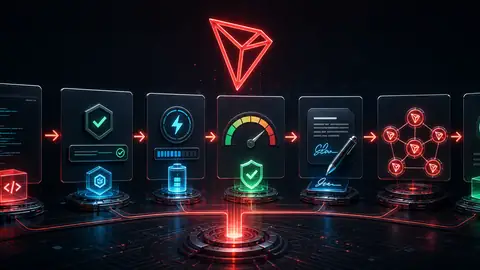
Smart-contract execution runs in the TRON Virtual Machine and consumes Energy according to the executed instructions. Use a repeatable pre-signing and post-transaction checklist so important resource checks are not skipped.
Read guide
Smart-contract execution runs in the TRON Virtual Machine and consumes Energy according to the executed instructions. Reduce avoidable cost and failures by forecasting demand, choosing the right resource source and measuring receipts.
Read guide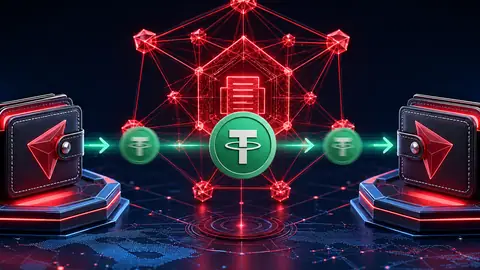
The fee limit caps the amount a caller is prepared to cover for a smart-contract transaction. Start with definitions, required resources and a safe first transaction before using advanced settings.
Read guide
The fee limit caps the amount a caller is prepared to cover for a smart-contract transaction. Follow the full path from wallet preparation and resource calculation to execution and the final receipt.
Read guide
The fee limit caps the amount a caller is prepared to cover for a smart-contract transaction. Separate Bandwidth, Energy, activation and special fees, then compare them using current chain parameters.
Read guide
The fee limit caps the amount a caller is prepared to cover for a smart-contract transaction. Check account activation, balances, available resources, permissions and the fee limit before proceeding.
Read guide
The fee limit caps the amount a caller is prepared to cover for a smart-contract transaction. Use live chain parameters and an execution estimate instead of assuming a permanent fixed fee.
Read guide
The fee limit caps the amount a caller is prepared to cover for a smart-contract transaction. Inspect the result code, receipt, resource balance and fee limit to isolate the cause of a failed transaction.
Read guide
The fee limit caps the amount a caller is prepared to cover for a smart-contract transaction. Verify network, address, contract and signing details, and never expose a seed phrase or private key.
Read guide
The fee limit caps the amount a caller is prepared to cover for a smart-contract transaction. Use monitoring, small test transfers, explicit limits and source-linked procedures for repeatable operations.
Read guide
The fee limit caps the amount a caller is prepared to cover for a smart-contract transaction. Compare direct TRX burning, staking and delegated resources by price, duration, liquidity and operational effort.
Read guide
The fee limit caps the amount a caller is prepared to cover for a smart-contract transaction. Track resource balances, transaction receipts and changing chain parameters before they affect production transfers.
Read guide
The fee limit caps the amount a caller is prepared to cover for a smart-contract transaction. Configure the wallet, network, address and resource checks in a clear sequence before the first transaction.
Read guide
The fee limit caps the amount a caller is prepared to cover for a smart-contract transaction. Resolve the most common questions about costs, timing, delegation, safety and transaction confirmation.
Read guide
The fee limit caps the amount a caller is prepared to cover for a smart-contract transaction. Avoid wrong networks, unchecked addresses, stale fee assumptions, low fee limits and missing receipt checks.
Read guide
The fee limit caps the amount a caller is prepared to cover for a smart-contract transaction. Use a repeatable pre-signing and post-transaction checklist so important resource checks are not skipped.
Read guide
The fee limit caps the amount a caller is prepared to cover for a smart-contract transaction. Reduce avoidable cost and failures by forecasting demand, choosing the right resource source and measuring receipts.
Read guide
Delegation assigns Energy from a resource owner to another TRON address without transferring token ownership. Start with definitions, required resources and a safe first transaction before using advanced settings.
Read guide
Delegation assigns Energy from a resource owner to another TRON address without transferring token ownership. Follow the full path from wallet preparation and resource calculation to execution and the final receipt.
Read guide
Delegation assigns Energy from a resource owner to another TRON address without transferring token ownership. Separate Bandwidth, Energy, activation and special fees, then compare them using current chain parameters.
Read guide
Delegation assigns Energy from a resource owner to another TRON address without transferring token ownership. Check account activation, balances, available resources, permissions and the fee limit before proceeding.
Read guide
Delegation assigns Energy from a resource owner to another TRON address without transferring token ownership. Use live chain parameters and an execution estimate instead of assuming a permanent fixed fee.
Read guide
Delegation assigns Energy from a resource owner to another TRON address without transferring token ownership. Inspect the result code, receipt, resource balance and fee limit to isolate the cause of a failed transaction.
Read guide
Delegation assigns Energy from a resource owner to another TRON address without transferring token ownership. Verify network, address, contract and signing details, and never expose a seed phrase or private key.
Read guide
Delegation assigns Energy from a resource owner to another TRON address without transferring token ownership. Use monitoring, small test transfers, explicit limits and source-linked procedures for repeatable operations.
Read guide
Delegation assigns Energy from a resource owner to another TRON address without transferring token ownership. Compare direct TRX burning, staking and delegated resources by price, duration, liquidity and operational effort.
Read guide
Delegation assigns Energy from a resource owner to another TRON address without transferring token ownership. Track resource balances, transaction receipts and changing chain parameters before they affect production transfers.
Read guide
Delegation assigns Energy from a resource owner to another TRON address without transferring token ownership. Configure the wallet, network, address and resource checks in a clear sequence before the first transaction.
Read guide
Delegation assigns Energy from a resource owner to another TRON address without transferring token ownership. Resolve the most common questions about costs, timing, delegation, safety and transaction confirmation.
Read guide
Delegation assigns Energy from a resource owner to another TRON address without transferring token ownership. Avoid wrong networks, unchecked addresses, stale fee assumptions, low fee limits and missing receipt checks.
Read guide
Delegation assigns Energy from a resource owner to another TRON address without transferring token ownership. Use a repeatable pre-signing and post-transaction checklist so important resource checks are not skipped.
Read guide
Delegation assigns Energy from a resource owner to another TRON address without transferring token ownership. Reduce avoidable cost and failures by forecasting demand, choosing the right resource source and measuring receipts.
Read guide
Energy rental is a paid, time-limited resource delegation used to reduce direct TRX burning. Start with definitions, required resources and a safe first transaction before using advanced settings.
Read guide
Energy rental is a paid, time-limited resource delegation used to reduce direct TRX burning. Follow the full path from wallet preparation and resource calculation to execution and the final receipt.
Read guide
Energy rental is a paid, time-limited resource delegation used to reduce direct TRX burning. Separate Bandwidth, Energy, activation and special fees, then compare them using current chain parameters.
Read guide
Energy rental is a paid, time-limited resource delegation used to reduce direct TRX burning. Check account activation, balances, available resources, permissions and the fee limit before proceeding.
Read guide
Energy rental is a paid, time-limited resource delegation used to reduce direct TRX burning. Use live chain parameters and an execution estimate instead of assuming a permanent fixed fee.
Read guide
Energy rental is a paid, time-limited resource delegation used to reduce direct TRX burning. Inspect the result code, receipt, resource balance and fee limit to isolate the cause of a failed transaction.
Read guide
Energy rental is a paid, time-limited resource delegation used to reduce direct TRX burning. Verify network, address, contract and signing details, and never expose a seed phrase or private key.
Read guide
Energy rental is a paid, time-limited resource delegation used to reduce direct TRX burning. Use monitoring, small test transfers, explicit limits and source-linked procedures for repeatable operations.
Read guide
Energy rental is a paid, time-limited resource delegation used to reduce direct TRX burning. Compare direct TRX burning, staking and delegated resources by price, duration, liquidity and operational effort.
Read guide
Energy rental is a paid, time-limited resource delegation used to reduce direct TRX burning. Track resource balances, transaction receipts and changing chain parameters before they affect production transfers.
Read guide
Energy rental is a paid, time-limited resource delegation used to reduce direct TRX burning. Configure the wallet, network, address and resource checks in a clear sequence before the first transaction.
Read guide
Energy rental is a paid, time-limited resource delegation used to reduce direct TRX burning. Resolve the most common questions about costs, timing, delegation, safety and transaction confirmation.
Read guide
Energy rental is a paid, time-limited resource delegation used to reduce direct TRX burning. Avoid wrong networks, unchecked addresses, stale fee assumptions, low fee limits and missing receipt checks.
Read guide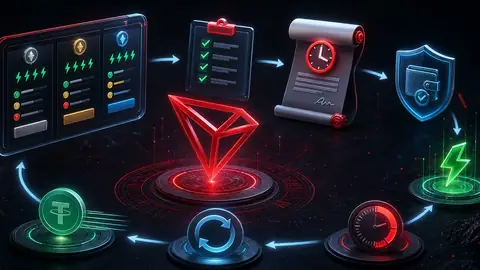
Energy rental is a paid, time-limited resource delegation used to reduce direct TRX burning. Use a repeatable pre-signing and post-transaction checklist so important resource checks are not skipped.
Read guide
Energy rental is a paid, time-limited resource delegation used to reduce direct TRX burning. Reduce avoidable cost and failures by forecasting demand, choosing the right resource source and measuring receipts.
Read guide
Staking TRX can generate Energy or Bandwidth and also creates voting power under TRON's resource model. Start with definitions, required resources and a safe first transaction before using advanced settings.
Read guide
Staking TRX can generate Energy or Bandwidth and also creates voting power under TRON's resource model. Follow the full path from wallet preparation and resource calculation to execution and the final receipt.
Read guide
Staking TRX can generate Energy or Bandwidth and also creates voting power under TRON's resource model. Separate Bandwidth, Energy, activation and special fees, then compare them using current chain parameters.
Read guide
Staking TRX can generate Energy or Bandwidth and also creates voting power under TRON's resource model. Check account activation, balances, available resources, permissions and the fee limit before proceeding.
Read guide
Staking TRX can generate Energy or Bandwidth and also creates voting power under TRON's resource model. Use live chain parameters and an execution estimate instead of assuming a permanent fixed fee.
Read guide
Staking TRX can generate Energy or Bandwidth and also creates voting power under TRON's resource model. Inspect the result code, receipt, resource balance and fee limit to isolate the cause of a failed transaction.
Read guide
Staking TRX can generate Energy or Bandwidth and also creates voting power under TRON's resource model. Verify network, address, contract and signing details, and never expose a seed phrase or private key.
Read guide
Staking TRX can generate Energy or Bandwidth and also creates voting power under TRON's resource model. Use monitoring, small test transfers, explicit limits and source-linked procedures for repeatable operations.
Read guide
Staking TRX can generate Energy or Bandwidth and also creates voting power under TRON's resource model. Compare direct TRX burning, staking and delegated resources by price, duration, liquidity and operational effort.
Read guide
Staking TRX can generate Energy or Bandwidth and also creates voting power under TRON's resource model. Track resource balances, transaction receipts and changing chain parameters before they affect production transfers.
Read guide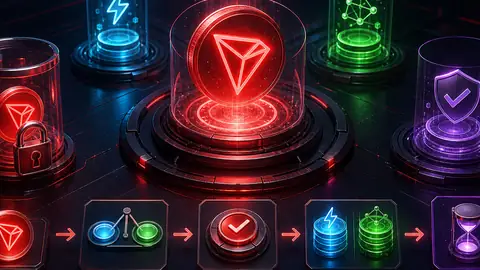
Staking TRX can generate Energy or Bandwidth and also creates voting power under TRON's resource model. Configure the wallet, network, address and resource checks in a clear sequence before the first transaction.
Read guide
Staking TRX can generate Energy or Bandwidth and also creates voting power under TRON's resource model. Resolve the most common questions about costs, timing, delegation, safety and transaction confirmation.
Read guide
Staking TRX can generate Energy or Bandwidth and also creates voting power under TRON's resource model. Avoid wrong networks, unchecked addresses, stale fee assumptions, low fee limits and missing receipt checks.
Read guide
Staking TRX can generate Energy or Bandwidth and also creates voting power under TRON's resource model. Use a repeatable pre-signing and post-transaction checklist so important resource checks are not skipped.
Read guide
Staking TRX can generate Energy or Bandwidth and also creates voting power under TRON's resource model. Reduce avoidable cost and failures by forecasting demand, choosing the right resource source and measuring receipts.
Read guide
TRON resource owners can delegate Energy or Bandwidth to another account under network rules. Start with definitions, required resources and a safe first transaction before using advanced settings.
Read guide
TRON resource owners can delegate Energy or Bandwidth to another account under network rules. Follow the full path from wallet preparation and resource calculation to execution and the final receipt.
Read guide
TRON resource owners can delegate Energy or Bandwidth to another account under network rules. Separate Bandwidth, Energy, activation and special fees, then compare them using current chain parameters.
Read guide
TRON resource owners can delegate Energy or Bandwidth to another account under network rules. Check account activation, balances, available resources, permissions and the fee limit before proceeding.
Read guide
TRON resource owners can delegate Energy or Bandwidth to another account under network rules. Use live chain parameters and an execution estimate instead of assuming a permanent fixed fee.
Read guide
TRON resource owners can delegate Energy or Bandwidth to another account under network rules. Inspect the result code, receipt, resource balance and fee limit to isolate the cause of a failed transaction.
Read guide
TRON resource owners can delegate Energy or Bandwidth to another account under network rules. Verify network, address, contract and signing details, and never expose a seed phrase or private key.
Read guide
TRON resource owners can delegate Energy or Bandwidth to another account under network rules. Use monitoring, small test transfers, explicit limits and source-linked procedures for repeatable operations.
Read guide
TRON resource owners can delegate Energy or Bandwidth to another account under network rules. Compare direct TRX burning, staking and delegated resources by price, duration, liquidity and operational effort.
Read guide
TRON resource owners can delegate Energy or Bandwidth to another account under network rules. Track resource balances, transaction receipts and changing chain parameters before they affect production transfers.
Read guide
TRON resource owners can delegate Energy or Bandwidth to another account under network rules. Configure the wallet, network, address and resource checks in a clear sequence before the first transaction.
Read guide
TRON resource owners can delegate Energy or Bandwidth to another account under network rules. Resolve the most common questions about costs, timing, delegation, safety and transaction confirmation.
Read guide
TRON resource owners can delegate Energy or Bandwidth to another account under network rules. Avoid wrong networks, unchecked addresses, stale fee assumptions, low fee limits and missing receipt checks.
Read guide
TRON resource owners can delegate Energy or Bandwidth to another account under network rules. Use a repeatable pre-signing and post-transaction checklist so important resource checks are not skipped.
Read guide
TRON resource owners can delegate Energy or Bandwidth to another account under network rules. Reduce avoidable cost and failures by forecasting demand, choosing the right resource source and measuring receipts.
Read guide
An Out of Energy result means contract execution exhausted the available or permitted Energy before completion. Start with definitions, required resources and a safe first transaction before using advanced settings.
Read guide
An Out of Energy result means contract execution exhausted the available or permitted Energy before completion. Follow the full path from wallet preparation and resource calculation to execution and the final receipt.
Read guide
An Out of Energy result means contract execution exhausted the available or permitted Energy before completion. Separate Bandwidth, Energy, activation and special fees, then compare them using current chain parameters.
Read guide
An Out of Energy result means contract execution exhausted the available or permitted Energy before completion. Check account activation, balances, available resources, permissions and the fee limit before proceeding.
Read guide
An Out of Energy result means contract execution exhausted the available or permitted Energy before completion. Use live chain parameters and an execution estimate instead of assuming a permanent fixed fee.
Read guide
An Out of Energy result means contract execution exhausted the available or permitted Energy before completion. Inspect the result code, receipt, resource balance and fee limit to isolate the cause of a failed transaction.
Read guide
An Out of Energy result means contract execution exhausted the available or permitted Energy before completion. Verify network, address, contract and signing details, and never expose a seed phrase or private key.
Read guide
An Out of Energy result means contract execution exhausted the available or permitted Energy before completion. Use monitoring, small test transfers, explicit limits and source-linked procedures for repeatable operations.
Read guide
An Out of Energy result means contract execution exhausted the available or permitted Energy before completion. Compare direct TRX burning, staking and delegated resources by price, duration, liquidity and operational effort.
Read guide
An Out of Energy result means contract execution exhausted the available or permitted Energy before completion. Track resource balances, transaction receipts and changing chain parameters before they affect production transfers.
Read guide
An Out of Energy result means contract execution exhausted the available or permitted Energy before completion. Configure the wallet, network, address and resource checks in a clear sequence before the first transaction.
Read guide
An Out of Energy result means contract execution exhausted the available or permitted Energy before completion. Resolve the most common questions about costs, timing, delegation, safety and transaction confirmation.
Read guide
An Out of Energy result means contract execution exhausted the available or permitted Energy before completion. Avoid wrong networks, unchecked addresses, stale fee assumptions, low fee limits and missing receipt checks.
Read guide
An Out of Energy result means contract execution exhausted the available or permitted Energy before completion. Use a repeatable pre-signing and post-transaction checklist so important resource checks are not skipped.
Read guide
An Out of Energy result means contract execution exhausted the available or permitted Energy before completion. Reduce avoidable cost and failures by forecasting demand, choosing the right resource source and measuring receipts.
Read guide
A receipt records execution result, Energy usage, Bandwidth usage, contract data and paid fees. Start with definitions, required resources and a safe first transaction before using advanced settings.
Read guide
A receipt records execution result, Energy usage, Bandwidth usage, contract data and paid fees. Follow the full path from wallet preparation and resource calculation to execution and the final receipt.
Read guide
A receipt records execution result, Energy usage, Bandwidth usage, contract data and paid fees. Separate Bandwidth, Energy, activation and special fees, then compare them using current chain parameters.
Read guide
A receipt records execution result, Energy usage, Bandwidth usage, contract data and paid fees. Check account activation, balances, available resources, permissions and the fee limit before proceeding.
Read guide
A receipt records execution result, Energy usage, Bandwidth usage, contract data and paid fees. Use live chain parameters and an execution estimate instead of assuming a permanent fixed fee.
Read guide
A receipt records execution result, Energy usage, Bandwidth usage, contract data and paid fees. Inspect the result code, receipt, resource balance and fee limit to isolate the cause of a failed transaction.
Read guide
A receipt records execution result, Energy usage, Bandwidth usage, contract data and paid fees. Verify network, address, contract and signing details, and never expose a seed phrase or private key.
Read guide
A receipt records execution result, Energy usage, Bandwidth usage, contract data and paid fees. Use monitoring, small test transfers, explicit limits and source-linked procedures for repeatable operations.
Read guide
A receipt records execution result, Energy usage, Bandwidth usage, contract data and paid fees. Compare direct TRX burning, staking and delegated resources by price, duration, liquidity and operational effort.
Read guide
A receipt records execution result, Energy usage, Bandwidth usage, contract data and paid fees. Track resource balances, transaction receipts and changing chain parameters before they affect production transfers.
Read guide
A receipt records execution result, Energy usage, Bandwidth usage, contract data and paid fees. Configure the wallet, network, address and resource checks in a clear sequence before the first transaction.
Read guide
A receipt records execution result, Energy usage, Bandwidth usage, contract data and paid fees. Resolve the most common questions about costs, timing, delegation, safety and transaction confirmation.
Read guide
A receipt records execution result, Energy usage, Bandwidth usage, contract data and paid fees. Avoid wrong networks, unchecked addresses, stale fee assumptions, low fee limits and missing receipt checks.
Read guide
A receipt records execution result, Energy usage, Bandwidth usage, contract data and paid fees. Use a repeatable pre-signing and post-transaction checklist so important resource checks are not skipped.
Read guide
A receipt records execution result, Energy usage, Bandwidth usage, contract data and paid fees. Reduce avoidable cost and failures by forecasting demand, choosing the right resource source and measuring receipts.
Read guide
A new TRON address must be activated on-chain before it behaves as a regular account. Start with definitions, required resources and a safe first transaction before using advanced settings.
Read guide
A new TRON address must be activated on-chain before it behaves as a regular account. Follow the full path from wallet preparation and resource calculation to execution and the final receipt.
Read guide
A new TRON address must be activated on-chain before it behaves as a regular account. Separate Bandwidth, Energy, activation and special fees, then compare them using current chain parameters.
Read guide
A new TRON address must be activated on-chain before it behaves as a regular account. Check account activation, balances, available resources, permissions and the fee limit before proceeding.
Read guide
A new TRON address must be activated on-chain before it behaves as a regular account. Use live chain parameters and an execution estimate instead of assuming a permanent fixed fee.
Read guide
A new TRON address must be activated on-chain before it behaves as a regular account. Inspect the result code, receipt, resource balance and fee limit to isolate the cause of a failed transaction.
Read guide
A new TRON address must be activated on-chain before it behaves as a regular account. Verify network, address, contract and signing details, and never expose a seed phrase or private key.
Read guide
A new TRON address must be activated on-chain before it behaves as a regular account. Use monitoring, small test transfers, explicit limits and source-linked procedures for repeatable operations.
Read guide
A new TRON address must be activated on-chain before it behaves as a regular account. Compare direct TRX burning, staking and delegated resources by price, duration, liquidity and operational effort.
Read guide
A new TRON address must be activated on-chain before it behaves as a regular account. Track resource balances, transaction receipts and changing chain parameters before they affect production transfers.
Read guide
A new TRON address must be activated on-chain before it behaves as a regular account. Configure the wallet, network, address and resource checks in a clear sequence before the first transaction.
Read guide
A new TRON address must be activated on-chain before it behaves as a regular account. Resolve the most common questions about costs, timing, delegation, safety and transaction confirmation.
Read guide
A new TRON address must be activated on-chain before it behaves as a regular account. Avoid wrong networks, unchecked addresses, stale fee assumptions, low fee limits and missing receipt checks.
Read guide
A new TRON address must be activated on-chain before it behaves as a regular account. Use a repeatable pre-signing and post-transaction checklist so important resource checks are not skipped.
Read guide
A new TRON address must be activated on-chain before it behaves as a regular account. Reduce avoidable cost and failures by forecasting demand, choosing the right resource source and measuring receipts.
Read guide
The dynamic Energy model can increase consumption for heavily used contracts according to network parameters. Start with definitions, required resources and a safe first transaction before using advanced settings.
Read guide
The dynamic Energy model can increase consumption for heavily used contracts according to network parameters. Follow the full path from wallet preparation and resource calculation to execution and the final receipt.
Read guide
The dynamic Energy model can increase consumption for heavily used contracts according to network parameters. Separate Bandwidth, Energy, activation and special fees, then compare them using current chain parameters.
Read guide
The dynamic Energy model can increase consumption for heavily used contracts according to network parameters. Check account activation, balances, available resources, permissions and the fee limit before proceeding.
Read guide
The dynamic Energy model can increase consumption for heavily used contracts according to network parameters. Use live chain parameters and an execution estimate instead of assuming a permanent fixed fee.
Read guide
The dynamic Energy model can increase consumption for heavily used contracts according to network parameters. Inspect the result code, receipt, resource balance and fee limit to isolate the cause of a failed transaction.
Read guide
The dynamic Energy model can increase consumption for heavily used contracts according to network parameters. Verify network, address, contract and signing details, and never expose a seed phrase or private key.
Read guide
The dynamic Energy model can increase consumption for heavily used contracts according to network parameters. Use monitoring, small test transfers, explicit limits and source-linked procedures for repeatable operations.
Read guide
The dynamic Energy model can increase consumption for heavily used contracts according to network parameters. Compare direct TRX burning, staking and delegated resources by price, duration, liquidity and operational effort.
Read guide
The dynamic Energy model can increase consumption for heavily used contracts according to network parameters. Track resource balances, transaction receipts and changing chain parameters before they affect production transfers.
Read guide
The dynamic Energy model can increase consumption for heavily used contracts according to network parameters. Configure the wallet, network, address and resource checks in a clear sequence before the first transaction.
Read guide
The dynamic Energy model can increase consumption for heavily used contracts according to network parameters. Resolve the most common questions about costs, timing, delegation, safety and transaction confirmation.
Read guide
The dynamic Energy model can increase consumption for heavily used contracts according to network parameters. Avoid wrong networks, unchecked addresses, stale fee assumptions, low fee limits and missing receipt checks.
Read guide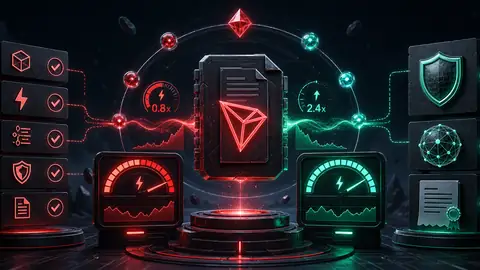
The dynamic Energy model can increase consumption for heavily used contracts according to network parameters. Use a repeatable pre-signing and post-transaction checklist so important resource checks are not skipped.
Read guide
The dynamic Energy model can increase consumption for heavily used contracts according to network parameters. Reduce avoidable cost and failures by forecasting demand, choosing the right resource source and measuring receipts.
Read guide
TronGrid provides hosted access to TRON node APIs for blocks, accounts, resources, contracts and chain parameters. Start with definitions, required resources and a safe first transaction before using advanced settings.
Read guide
TronGrid provides hosted access to TRON node APIs for blocks, accounts, resources, contracts and chain parameters. Follow the full path from wallet preparation and resource calculation to execution and the final receipt.
Read guide
TronGrid provides hosted access to TRON node APIs for blocks, accounts, resources, contracts and chain parameters. Separate Bandwidth, Energy, activation and special fees, then compare them using current chain parameters.
Read guide
TronGrid provides hosted access to TRON node APIs for blocks, accounts, resources, contracts and chain parameters. Check account activation, balances, available resources, permissions and the fee limit before proceeding.
Read guide
TronGrid provides hosted access to TRON node APIs for blocks, accounts, resources, contracts and chain parameters. Use live chain parameters and an execution estimate instead of assuming a permanent fixed fee.
Read guide
TronGrid provides hosted access to TRON node APIs for blocks, accounts, resources, contracts and chain parameters. Inspect the result code, receipt, resource balance and fee limit to isolate the cause of a failed transaction.
Read guide
TronGrid provides hosted access to TRON node APIs for blocks, accounts, resources, contracts and chain parameters. Verify network, address, contract and signing details, and never expose a seed phrase or private key.
Read guide
TronGrid provides hosted access to TRON node APIs for blocks, accounts, resources, contracts and chain parameters. Use monitoring, small test transfers, explicit limits and source-linked procedures for repeatable operations.
Read guide
TronGrid provides hosted access to TRON node APIs for blocks, accounts, resources, contracts and chain parameters. Compare direct TRX burning, staking and delegated resources by price, duration, liquidity and operational effort.
Read guide
TronGrid provides hosted access to TRON node APIs for blocks, accounts, resources, contracts and chain parameters. Track resource balances, transaction receipts and changing chain parameters before they affect production transfers.
Read guide
TronGrid provides hosted access to TRON node APIs for blocks, accounts, resources, contracts and chain parameters. Configure the wallet, network, address and resource checks in a clear sequence before the first transaction.
Read guide
TronGrid provides hosted access to TRON node APIs for blocks, accounts, resources, contracts and chain parameters. Resolve the most common questions about costs, timing, delegation, safety and transaction confirmation.
Read guide
TronGrid provides hosted access to TRON node APIs for blocks, accounts, resources, contracts and chain parameters. Avoid wrong networks, unchecked addresses, stale fee assumptions, low fee limits and missing receipt checks.
Read guide
TronGrid provides hosted access to TRON node APIs for blocks, accounts, resources, contracts and chain parameters. Use a repeatable pre-signing and post-transaction checklist so important resource checks are not skipped.
Read guide
TronGrid provides hosted access to TRON node APIs for blocks, accounts, resources, contracts and chain parameters. Reduce avoidable cost and failures by forecasting demand, choosing the right resource source and measuring receipts.
Read guide
Business wallets need resource forecasting, address controls, monitoring and auditable transaction workflows. Start with definitions, required resources and a safe first transaction before using advanced settings.
Read guide
Business wallets need resource forecasting, address controls, monitoring and auditable transaction workflows. Follow the full path from wallet preparation and resource calculation to execution and the final receipt.
Read guide
Business wallets need resource forecasting, address controls, monitoring and auditable transaction workflows. Separate Bandwidth, Energy, activation and special fees, then compare them using current chain parameters.
Read guide
Business wallets need resource forecasting, address controls, monitoring and auditable transaction workflows. Check account activation, balances, available resources, permissions and the fee limit before proceeding.
Read guide
Business wallets need resource forecasting, address controls, monitoring and auditable transaction workflows. Use live chain parameters and an execution estimate instead of assuming a permanent fixed fee.
Read guide
Business wallets need resource forecasting, address controls, monitoring and auditable transaction workflows. Inspect the result code, receipt, resource balance and fee limit to isolate the cause of a failed transaction.
Read guide
Business wallets need resource forecasting, address controls, monitoring and auditable transaction workflows. Verify network, address, contract and signing details, and never expose a seed phrase or private key.
Read guide
Business wallets need resource forecasting, address controls, monitoring and auditable transaction workflows. Use monitoring, small test transfers, explicit limits and source-linked procedures for repeatable operations.
Read guide
Business wallets need resource forecasting, address controls, monitoring and auditable transaction workflows. Compare direct TRX burning, staking and delegated resources by price, duration, liquidity and operational effort.
Read guide
Business wallets need resource forecasting, address controls, monitoring and auditable transaction workflows. Track resource balances, transaction receipts and changing chain parameters before they affect production transfers.
Read guide
Business wallets need resource forecasting, address controls, monitoring and auditable transaction workflows. Configure the wallet, network, address and resource checks in a clear sequence before the first transaction.
Read guide
Business wallets need resource forecasting, address controls, monitoring and auditable transaction workflows. Resolve the most common questions about costs, timing, delegation, safety and transaction confirmation.
Read guide
Business wallets need resource forecasting, address controls, monitoring and auditable transaction workflows. Avoid wrong networks, unchecked addresses, stale fee assumptions, low fee limits and missing receipt checks.
Read guide
Business wallets need resource forecasting, address controls, monitoring and auditable transaction workflows. Use a repeatable pre-signing and post-transaction checklist so important resource checks are not skipped.
Read guide
Business wallets need resource forecasting, address controls, monitoring and auditable transaction workflows. Reduce avoidable cost and failures by forecasting demand, choosing the right resource source and measuring receipts.
Read guide